
Platforms are handing over seller data on a fixed schedule, and that clock chimes this month. If you’ve been listing “just to declutter”, the rules won’t bite like a business tax — but the line between casual and commercial now sits under a brighter light.
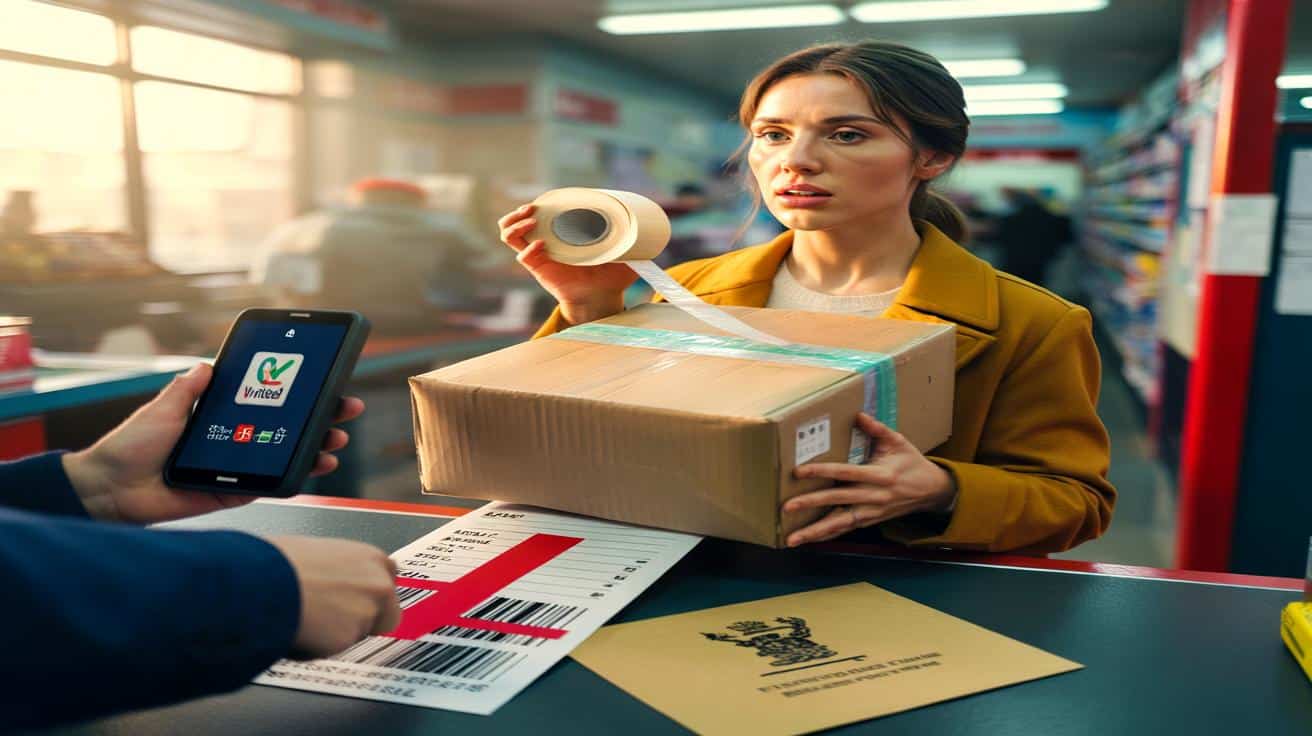
I watched a woman at the Post Office counter clutch two Vinted parcels, wrestling a roll of tape between her elbow and chin. Her phone pinged, another sale. She smiled, then frowned at a message asking her to confirm tax details on her account. The queue shuffled, the fluorescent tubes hummed, and she looked like someone who’d just realised her hobby had a paper trail.
We’ve all had that moment when something easy suddenly feels official. A side hustle often starts with a spare hoodie and a half-hour on the sofa. When HMRC gets a new window into those sales, the mood shifts. The rule lands quietly, but its echo carries.
It’s not about catching people out. It’s about joining the dots.
What’s changing this month — and what it actually means
Online marketplaces must share seller data with HMRC on a fixed annual timetable. That means Vinted, eBay, Etsy, Depop and others will file reports covering the last calendar year this month, by 31 January. This isn’t a new tax, but it is new visibility.
Under the OECD “DAC7” framework adopted in the UK, platforms report sellers who either make 30 or more sales in a year or take over €2,000 across those sales. In plain terms: shift a steady volume, or bring in a decent chunk, and your figures go on the file. Identity checks are part of the package, which is why you’re seeing prompts to confirm your details inside the apps.
Picture Sam in Leeds, who started clearing trainers last spring and got the bug. By autumn he’d sold 34 pairs, mixing personal pairs with a few flips. In early January, his marketplace asked for an updated address and national ID. He shrugged and complied. A fortnight later, as platforms compile their 31 January reports, Sam’s activity sits in data HMRC can match to a tax return. The taps are connected.
Here’s the line that matters: selling your own belongings at a loss isn’t taxable. If you buy with a view to profit, you’re likely “trading”. There’s a £1,000 trading allowance for miscellaneous and trading income in the UK — useful if your profits are small. Cross that in real profit, and you move into Self Assessment territory. Think of it less as a new law and more as a brighter audit trail.
How to stay onside without losing your weekend
Start with a simple weekly habit: log what you sold, what the buyer paid, postage charged, platform fees, and what it originally cost you. Use a notes app or a spreadsheet — nothing fancy — and export your marketplace statements each month. Highlight refunds and cancellations as separate lines. Let this be a ten‑minute Friday ritual. Let’s be honest: nobody really does that every day.
Common slips are easy to fix. People forget that “income” for tax starts before fees, then expenses reduce profit. They mix personal and trading sales in one total. They ignore the original cost of an item, so their profit looks bigger than it is. Separate your side‑hustle cash flow into its own space, even if that’s a second bank account. If you’re just selling your old coat for less than you paid, you’re not building taxable profit — you’re decluttering with a receipt.
“This isn’t about HMRC taxing your wardrobe clear‑out,” says accountant Ria Patel. “It’s about making sure that people who are effectively running a shop inside an app declare the profits like any other shop would.”
- Quick check: 30+ sales or over €2,000 in buyer payments last year? Expect your data to be reportable.
- Quick check: Profits over £1,000 after costs? That’s when a tax return enters the chat.
- Quick check: Only selling personal items at a loss? Keep records anyway and sleep easier.
What happens next — and why the culture of selling is shifting
The date matters. 31 January now carries twin meaning: Self Assessment deadline for millions, and the marketplace reporting point for HMRC to refresh its view of the side‑hustle economy. **If you’re only selling your own used clothes at a loss, you won’t owe income tax.** Your name may never appear in a report if your sales are tiny, your profits nil, and you miss both DAC7 thresholds. Yet the norm is changing. Selling online is no longer a cash‑in‑a‑shoebox culture; it’s part of a mapped ecosystem with real‑world paperwork. That could be a good thing. Clear rules invite fair play, and fair play rewards people who treat their hustle like the small business it is. **31 January is now double‑edged: Self Assessment for you, and platform reports for HMRC.** The clever move is to treat this month as a reset, not a reckoning.
| Key Point | Detail | Interest for the reader |
|---|---|---|
| Marketplace reporting | Platforms send annual seller data to HMRC by 31 January under DAC7 rules | Explains why apps are asking for ID and tax info now |
| Thresholds | Reportable if you do 30+ sales or take over €2,000 in a calendar year | Helps you gauge whether your account is likely in the file |
| Tax reality | Personal items sold at a loss = typically no income tax; trading profits over £1,000 = consider Self Assessment | Shows who needs to act vs who can tidy records and relax |
FAQ :
- Do I have to pay tax on selling my old clothes on Vinted?If you’re selling personal items for less than you originally paid, there’s usually no income tax because there’s no profit. Big one‑off sales of valuable items can have separate rules, so keep evidence of what you paid and when.
- What exactly gets reported to HMRC?Platforms share identity details and annual totals for sellers who hit the thresholds. The figure is broadly what buyers paid across the year, with cancellations and refunds taken off if processed on the platform.
- I crossed 30 sales but only made tiny profits. Will I get a tax bill?Not automatically. A report doesn’t equal a charge. It’s a prompt for HMRC to cross‑check. If your real profit after costs is under the £1,000 trading allowance, there may be nothing to pay.
- Do I need to register as self‑employed?If you’re buying to resell with a view to profit and your activity looks like trading, yes — especially once your profits move beyond the £1,000 allowance. You usually register for Self Assessment and file by 31 January.
- What records should I keep?Dates of sale, item description, what the buyer paid, shipping, platform fees, and your original cost. Save screenshots and export platform statements. That small habit turns guesswork into numbers you can defend.






If I sold 32 items on Vinted but only made around £200 profit, am I still likely to be contacted? Does the 30‑sale threshhold mean automatic reporting even if profits stay below the £1,000 trading allowance?
Guess my shoebox bookkeeping just became an Excel career. If I’ve offloaded 20 personal items at a loss and flipped, say, 12 charity‑shop finds for small gains, does HMRC treat that as “trading” because I crossed 30 sales? Or is intent and real profit what matters? I can log costs, postage, and fees, but it’s messy when I can’t find old reciepts. Any tips on estimating original cost without getting into trouble?