
If you’re planning to travel anytime from late May to August, the window you think you have is not the window you actually have. The smart cut-off is 1 February, long before the beach towels and airport selfies. Leave it later and you’ll be queuing with everyone else who suddenly remembered where they stuffed theirs.
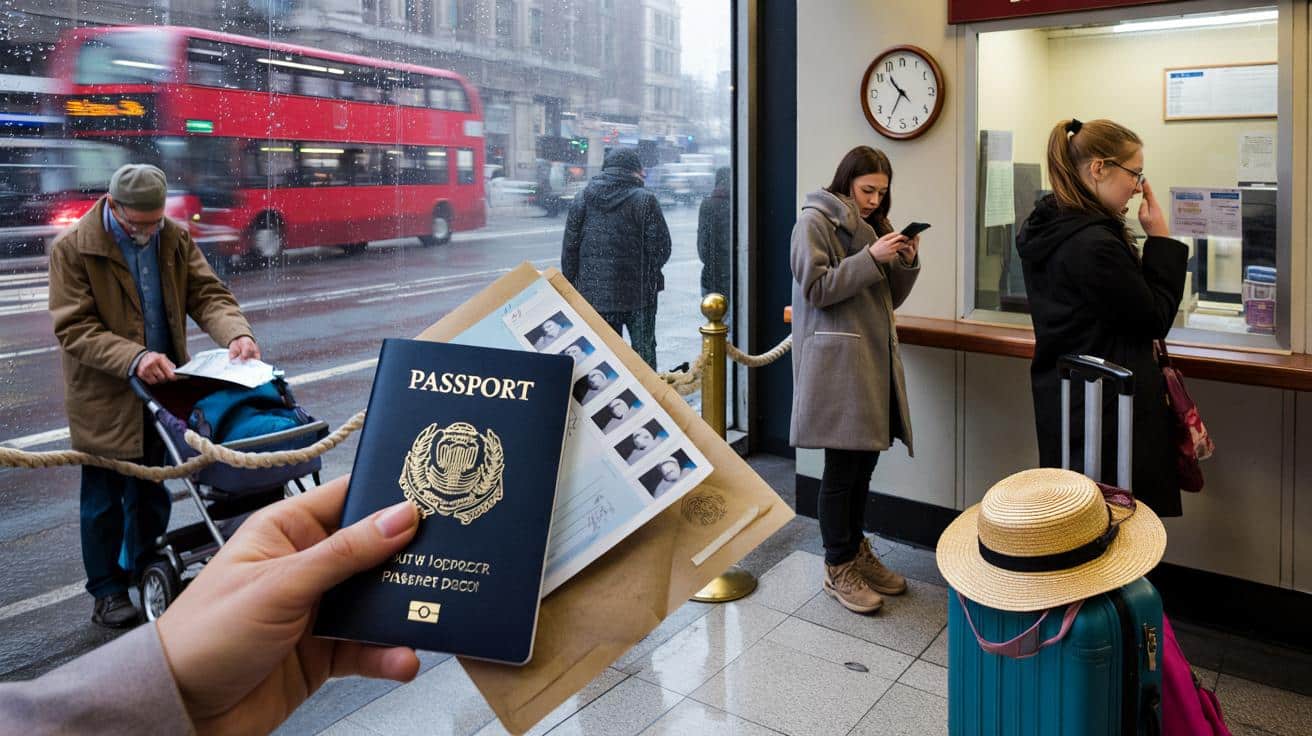
The line at the Post Office formed before the doors opened. A dad with a buggy shuffled passport photos like playing cards. A woman checked her phone, then her envelope, then her phone again, as if repetition would conjure a stamp. In the corner, a teenager rehearsed a smileless face for the booth. Outside, rain and buses and the thrum of a city not thinking about summer yet. Inside, a quiet panic. Deadlines creep while we look away.
Why 1 February is the summer traveller’s real deadline
Everyone imagines they’ll sort their passport after half-term, or once payday hits. Then Easter arrives, slots vanish, and processing times balloon because the whole country woke up at once. The reason for 1 February is simple: it puts you ahead of the crush. It gives room for the weird things that delay applications — a countersignature who goes on holiday, a digital photo that fails, a surname that no longer matches a booking. Cutting it to the wire isn’t brave. It’s costly.
Look at last summer. Standard applications were often wrapped up in a few weeks, then suddenly dragged by a surge of latecomers and missing documents. Families discovered the nasty quirk with children’s passports lasting only five years and expiring mid-trip windows. People ran into the post-Brexit rules for the EU: passport issued within the last 10 years on departure, and at least three months’ validity remaining on the return date. One small detail turned into one giant hold music session.
Here’s the logic. Work backwards from your first travel date, not your ideal application date. Give yourself a full buffer for rejections, lost post, and rebooked appointments. First-time passports, child renewals, or any change of name take longer than a straight renewal. Some destinations want six months’ validity from the day you arrive, and many airlines simply won’t board you if you fall short. **Apply by 1 February and your odds of sailing through June go up, a lot.** Miss it and you join the scrum for Fast Track and Premium slots that sell like Glastonbury tickets.
How to beat the backlog before it begins
Start with a ten-minute audit tonight. Find the passports. Flip to the photo page. Check two dates: “Date of issue” and “Date of expiry.” For the EU, your document must be under 10 years old on the day you depart and have three months left on the day you come home. For places like Turkey or Thailand, you may need at least six months from entry. Then check the name you will book with. If your passport shows a maiden name and your flights will not, fix that first. Paperwork wins the race.
Next, get the photo right the first time. Use a compliant digital photo from a booth or a reputable app, and keep the code handy. Glasses off, neutral expression, no hair over eyes. We’ve all had that moment when a tiny thing derails a big plan, and passport photos are where it happens most. If you’re applying for a child, read the separate rules. For squirmy toddlers, a photo with a plain background, no hands in view, and eyes open is gold dust. Let’s be honest: nobody really does that every day.
“Every spring, people swear they were going to do it last week,” says Leila, a London travel agent who spends April explaining validity rules. “By May, they’re begging for Fast Track.”
Use the Post Office Check & Send if you want an extra pair of eyes on your docs. Track your application online, watch for emails that ask for clarifications, and reply the same day. Keep an eye on premium services as a last resort, not a plan.
- Destination rules vary: check both airline and country entry pages.
- Name changes need proof: marriage certificate or deed poll.
- First-time adult passports can involve interviews.
- Lost or stolen passports add verification steps.
- School holidays amplify delays across the system.
The pitfalls that catch people out in spring
Travel insurance won’t save you from an expired or mismatched passport. Airlines are rigid at the gate, and they don’t refund if you brought the wrong document. *This is the year to stop flirting with the deadline.* Examine your child’s passport like a detective. Five-year validity evaporates fast, and many families book early-July flights that collide with June expiry dates. If you got your last passport in the “add-on months” era, don’t assume they still count for Europe. That grace is gone.
Don’t bank on express services as a guaranteed exit. One Week Fast Track and the Premium One Day service exist, yet appointments fill in minutes during the spring rush. Prices for those routes make a city break feel less fun. Courier delays, resubmissions, or a countersignature who crashes your timeline will see you watching the weather at home while your hotel emails “Where are you?” **The calmest travellers are the ones who beat the season by a full month.**
If you changed your name since your last passport, plan for evidence. Airline tickets must match your document, not your inbox signature. Sort your identity trail before you book. If you’re applying for a first adult passport, factor in possible interviews and longer verification. The easiest win of all is the simplest: apply when nobody else is thinking about it. Aligning your admin to the quieter part of the year is like turning up at the bakery just as the fresh batch lands. You get what you came for, without the aggro.
Apply by 1 February and you’re building margin for the messy middle: a forgotten countersignature, a rejection because the photo’s background wasn’t light enough, a delivery that arrives on your work-from-office day. That margin is where holidays are rescued. It also opens space to check the fine print you’d usually speed-read — the 10-year issue rule for Europe, six-month validity for long-haul, the rule-of-return date rather than your departure. When the system gets busy, small mistakes fall to the bottom of the pile. Go early and your file sits at the top.
| Key Point | Detail | Interest for the reader |
|---|---|---|
| Apply by 1 February | Stay ahead of the spring surge and allow for fixes | Protects summer trips from admin shocks |
| Know your validity rules | EU needs under 10 years on departure and 3 months on return; some countries want 6 months | Avoids gate denials and last-minute cancellations |
| Have a fallback, not a fantasy | Fast Track/Premium exist but sell out when you need them most | Saves money and nerves when plans wobble |
FAQ :
- Do I really need to apply by 1 February?It’s not an official rule. It’s a practical deadline that gets you ahead of seasonal demand and leaves space for hiccups.
- How long does a standard UK passport application take?Outside the rush it can be a few weeks, yet spring and early summer bring spikes. Build a wide buffer and track progress online.
- What are the EU rules after Brexit?Your passport must be less than 10 years old on the day you depart and have at least three months’ validity on the day you return.
- Can I travel with less than six months left?Some countries allow travel for the trip’s duration, others require six months from entry. Check airline and destination guidance before you book.
- What if my name changed?Your ticket must match your passport. Update your passport with evidence of the change, then book travel in that same name.








This is the nudge I needed — July trip on the horizon and I’d been procrastinating. The 1 February ‘practical deadline’ makes total sense with kids’ 5‑year passports and name change faff. Calendar reminder set. Thanks for the clear breakdown.
Isn’t this a bit alarmist? I renewed last year in under two weeks, no drama. Why should Februrary 1 be such a hard line—are processing times really that unpredictable, or is this just playing it ultra safe?